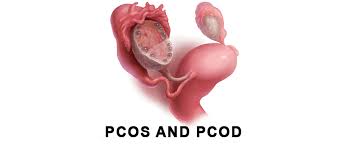
Polycystic Ovary Syndrome (PCOS) and Polycystic Ovarian Disease (PCOD) are common endocrine disorders that affect a significant number of women worldwide. These conditions are characterized by hormonal imbalances, insulin resistance, and the formation of ovarian cysts. While conventional treatments focus on symptom management, many women are turning to Ayurveda for a natural and holistic approach to managing PCOS and PCOD. In this article, Ayurvedic Doctor for PCOD will explore the natural approaches and remedies provided by Ayurveda, highlighting the importance of consulting with a Best Ayurvedic Doctor for PCOS for personalized care and treatment.
Understanding PCOS and PCOD from an Ayurvedic Perspective
Polycystic Ovary Syndrome (PCOS) and Polycystic Ovarian Disease (PCOD) are common endocrine disorders affecting women of reproductive age. These conditions are characterized by hormonal imbalances, insulin resistance, and the formation of multiple cysts on the ovaries. In Ayurveda, PCOS and PCOD are understood as manifestations of imbalances in the three doshas (Vata, Pitta, and Kapha) and the accumulation of toxins (ama) in the body.
According to Ayurvedic principles, PCOS and PCOD can be caused by various factors, including poor diet, sedentary lifestyle, excessive stress, and genetic predisposition. Each woman’s constitution (prakriti) plays a significant role in the manifestation of these conditions. Therefore, an Ayurvedic Doctor for PCOD will conduct a detailed assessment of the individual’s prakriti to determine the underlying imbalances and provide personalized treatment.
The imbalance of Vata dosha is considered a primary factor in the development of PCOS and PCOD. It leads to irregular menstrual cycles, ovarian cyst formation, and hormonal disturbances. Excessive Vata can be caused by factors such as irregular eating habits, insufficient rest, and mental or emotional stress. Pitta and Kapha imbalances may also contribute to the condition, leading to inflammation, hormonal disruptions, and metabolic disturbances.
Ayurveda focuses on restoring the balance of the doshas and eliminating toxins from the body to treat PCOS and PCOD. The treatment approach involves dietary and lifestyle modifications, herbal remedies, detoxification procedures, and stress management techniques.
Dietary modifications play a crucial role in managing PCOS and PCOD. An Best Ayurvedic Doctor for PCOS may recommend a diet that is nourishing, balanced, and suited to the individual’s constitution. This typically includes whole, unprocessed foods, fresh fruits and vegetables, whole grains, lean proteins, and healthy fats. It is important to avoid processed foods, refined sugars, caffeine, and alcohol, as these can aggravate the imbalances.
Ayurvedic herbs are known for their therapeutic properties in addressing hormonal imbalances and promoting reproductive health. Herbs such as Ashoka (Saraca indica), Shatavari (Asparagus racemosus), Lodhra (Symplocos racemosa), and Guduchi (Tinospora cordifolia) are commonly used to regulate menstrual cycles, support hormone balance, and reduce inflammation.
In addition to dietary modifications and herbal remedies, Ayurveda employs detoxification procedures known as Panchakarma to eliminate toxins and restore balance. Panchakarma therapies such as Abhyanga (oil massage), Swedana (herbal steam therapy), and Basti (medicated enema) are used to remove toxins, improve digestion, and enhance hormonal balance.
Stress management is another crucial aspect of Ayurvedic treatment for PCOS and PCOD. Stress can worsen hormonal imbalances and disrupt normal menstrual cycles. Ayurveda emphasizes the practice of meditation, pranayama (breathing exercises), and relaxation techniques to manage stress levels effectively. Specific herbs and formulations such as Brahmi (Bacopa monnieri) and Ashwagandha (Withania somnifera) may also be recommended to support emotional well-being and reduce stress.
It is important to note that Ayurvedic treatments for PCOS and PCOD should be personalized and carried out under the guidance of an experienced Ayurvedic doctor. The Best Ayurvedic Doctor for PCOS will consider the individual’s unique constitution, symptoms, and imbalances to develop a comprehensive treatment plan.

Dietary and Lifestyle Modifications
Dietary and lifestyle modifications play a crucial role in managing PCOS and PCOD from an Ayurvedic Doctor for PCOD. These changes aim to restore hormonal balance, improve metabolism, and support overall well-being. Here are some dietary and lifestyle recommendations often advised by Ayurvedic doctors for women with PCOS and PCOD:
- Balanced and Nourishing Diet:
- Emphasize whole, unprocessed foods: Include a variety of fresh fruits, vegetables, whole grains, legumes, and nuts in your diet.
- Choose complex carbohydrates: Opt for whole grains like quinoa, brown rice, and whole wheat, which have a lower glycemic index and help regulate blood sugar levels.
- Include healthy fats: Consume sources of healthy fats such as avocados, nuts, seeds, and olive oil.
- Adequate protein intake: Include lean protein sources like fish, poultry, tofu, lentils, and beans to support hormone production and overall health.
- Avoid refined sugars and processed foods: Minimize the intake of sugary beverages, desserts, packaged snacks, and processed foods, as they can exacerbate hormonal imbalances.
- Mindful Eating Habits
- Practice regular meal timings: Establish consistent meal timings to support digestion and hormone regulation.
- Eat slowly and mindfully: Chew your food thoroughly, savor the flavors, and eat in a calm and relaxed environment to enhance digestion and satiety.
- Avoid overeating: Listen to your body’s hunger and fullness cues to prevent overeating, which can impact insulin levels.
- Regular Physical Activity:
- Engage in moderate exercise: Regular physical activity helps improve insulin sensitivity and metabolism. Opt for activities such as walking, swimming, yoga, or cycling.
- Include strength training: Incorporate strength training exercises to build lean muscle mass, which can enhance metabolism and hormonal balance.
- Stress Management:
- Practice stress-reducing techniques: Engage in activities like meditation, deep breathing exercises, yoga, or mindfulness practices to manage stress levels. This can help regulate hormone production and improve overall well-being.
- Prioritize self-care: Dedicate time for activities that bring you joy and relaxation, such as reading, taking baths, spending time in nature, or pursuing hobbies.
- Adequate Sleep:
- Maintain a regular sleep schedule: Aim for consistent sleep timings to support hormonal balance and overall health.
- Create a sleep-friendly environment: Ensure a comfortable, dark, and quiet sleeping environment to promote restful sleep.
- Hydration:
- Stay hydrated: Drink an adequate amount of water throughout the day to support overall health and assist in the elimination of toxins from the body.
It is important to consult with a Best Ayurvedic Doctor for PCOS or healthcare professional specializing in PCOS and PCOD to receive personalized dietary and lifestyle recommendations based on your unique needs and constitution. Ayurvedic Doctor for PCOD can provide guidance tailored to your specific condition and help monitor your progress.
Herbal Remedies and Ayurvedic Medicines
Herbal remedies and Ayurvedic medicines are an integral part of managing PCOS and PCOD from an Ayurvedic perspective. These natural remedies aim to restore hormonal balance, regulate menstrual cycles, reduce inflammation, and support overall reproductive health. Here are some commonly used herbs and Ayurvedic medicines recommended by Ayurvedic doctors for PCOS and PCOD:
- Ashoka (Saraca indica): Ashoka is a potent herb known for its hormone-regulating properties. It helps normalize menstrual cycles, reduces excessive bleeding, and supports the health of the female reproductive system.
- Shatavari (Asparagus racemosus): Shatavari is a renowned herb for women’s health. It helps balance hormone levels, nourishes the reproductive organs, and supports fertility. Shatavari is also known for its adaptogenic properties, helping the body cope with stress.
- Lodhra (Symplocos racemosa): Lodhra is a valuable herb for managing PCOS and PCOD. It helps regulate menstrual cycles, reduces excessive bleeding, and supports the health of the uterus and ovaries.
- Guduchi (Tinospora cordifolia): Guduchi is an immunomodulatory herb that helps strengthen the immune system and supports overall health. It aids in reducing inflammation and enhances the body’s natural healing processes.
- Triphala: Triphala is a combination of three fruits – Amalaki (Emblica officinalis), Bibhitaki (Terminalia bellerica), and Haritaki (Terminalia chebula). It has detoxifying properties, supports digestion, and helps eliminate toxins from the body.
- Chandraprabha Vati: Chandraprabha Vati is an Ayurvedic formulation that supports urinary and reproductive health. It helps regulate menstrual cycles, reduces pelvic pain, and supports hormonal balance.
- Dashmoolarishta: Dashmoolarishta is an Ayurvedic tonic known for its rejuvenating properties. It helps alleviate menstrual irregularities, supports reproductive health, and promotes overall well-being.
- Aloe Vera: Aloe Vera gel or juice is known for its anti-inflammatory properties. It can be beneficial in managing inflammation associated with PCOS and PCOD. Aloe Vera also supports digestive health and aids in detoxification.
- Fenugreek (Trigonella foenum-graecum): Fenugreek seeds are commonly used in Ayurveda to balance hormones and support healthy ovulation. Ayurvedic Doctor for PCOD can be consumed in various forms, such as soaked seeds, powdered seeds, or herbal teas.
- Cinnamon (Cinnamomum verum): Cinnamon is known for its insulin-sensitizing properties. It helps regulate blood sugar levels, improve insulin resistance, and support hormone balance.
It is important to note that the selection of herbs and Ayurvedic medicines should be done under the guidance of an experienced Ayurvedic doctor. The Best Ayurvedic Doctor for PCOS will consider your unique constitution, symptoms, and imbalances to recommend the appropriate herbs and formulations for your condition. Additionally, the dosage and duration of use should be determined by the healthcare professional based on your specific needs.
Ayurvedic Detoxification and Panchakarma
Ayurvedic detoxification and Panchakarma therapies are integral components of managing PCOS and PCOD fromAyurvedic Doctor for PCOD. These therapies aim to eliminate toxins (ama) from the body, balance the doshas, enhance digestion, and promote overall well-being. Panchakarma, which means “five actions,” is a comprehensive detoxification procedure that consists of various therapeutic treatments. Here are some commonly employed Ayurvedic detoxification and Panchakarma therapies for PCOS and PCOD:
- Abhyanga (Oil Massage): Abhyanga involves the application of warm herbal oils on the body. This therapy helps improve circulation, lymphatic drainage, and the elimination of toxins. Regular Abhyanga can support hormonal balance and reduce stress.
- Swedana (Herbal Steam Therapy): Swedana involves exposing the body to herbal steam. This therapy helps open up the channels, eliminate toxins through sweating, and enhance circulation. Swedana can aid in reducing inflammation and supporting the detoxification process.
- Basti (Medicated Enema): Basti is a specialized therapy that involves the administration of medicated enemas. It helps cleanse the colon, remove accumulated toxins, and balance the Vata dosha. Basti supports hormonal balance, improves digestion, and promotes detoxification.
- Nasya (Nasal Administration of Medications): Nasya involves the administration of medicated oils or herbal formulations through the nasal passages. It helps cleanse the nasal passages, enhance respiratory health, and balance the doshas. Nasya can be beneficial in addressing hormonal imbalances and reducing congestion.
- Virechana (Purgation Therapy): Virechana is a detoxification procedure that involves the use of herbal purgatives to induce controlled bowel movements. It helps eliminate excess Pitta and toxins from the body, improves digestion, and supports liver function. Virechana can aid in managing hormonal imbalances and improving overall health.
- Shirodhara (Pouring of Herbal Oil on the Forehead): Shirodhara is a deeply relaxing therapy that involves pouring a continuous stream of warm herbal oil on the forehead. It helps calm the mind, reduce stress, and promote hormonal balance. Shirodhara can support emotional well-being and enhance the effectiveness of other therapies.
- Herbal Formulations: Alongside Panchakarma therapies, Ayurvedic doctors may prescribe specific herbal formulations or dietary supplements to support the detoxification process, enhance digestion, and balance the doshas. These formulations are tailored to the individual’s needs and may include herbs such as Triphala, Guggulu, and Haritaki.
It is important to undergo Ayurvedic detoxification and Panchakarma therapies under the guidance of a qualified Ayurvedic doctor. The Best Ayurvedic Doctor for PCOS will assess your constitution, health status, and specific imbalances to determine the most suitable therapies for your condition. Ayurvedic Doctor for PCOD will also provide dietary guidelines and recommendations to support the detoxification process and promote long-term well-being.
Stress Management and Emotional Well-being
Stress management and emotional well-being are vital aspects of managing PCOS and PCOD from an Ayurvedic perspective. the Best Ayurvedic Doctor for PCOS recognizes the close connection between the mind and body, and it emphasizes the importance of maintaining emotional balance for overall health. Here are some Ayurvedic approaches to stress management and promoting emotional well-being:
- Meditation and Mindfulness: Meditation is a powerful practice that helps calm the mind, reduce stress, and promote emotional balance. Regular meditation can improve mental clarity, increase self-awareness, and enhance overall well-being. Mindfulness techniques, such as being fully present in the moment and observing thoughts without judgment, can also be beneficial.
- Pranayama (Breathing Exercises): Pranayama involves conscious control of breath, which helps regulate the flow of prana (life force energy) in the body. Deep breathing exercises like Nadi Shodhana (alternate nostril breathing) and Bhramari (humming bee breath) can promote relaxation, reduce anxiety, and balance the nervous system.
- Yoga and Physical Activity: Yoga is a holistic practice that combines physical postures (asanas), breathing techniques, and meditation. Regular practice of yoga can reduce stress, improve flexibility, promote hormonal balance, and enhance overall well-being. Engaging in other forms of physical activity, such as walking, swimming, or dancing, can also help reduce stress and support emotional well-being.
- Adequate Rest and Sleep: Getting sufficient rest and quality sleep is crucial for managing stress and promoting emotional well-being. Establish a consistent sleep routine, create a peaceful sleep environment, and prioritize relaxation before bedtime. Ayurveda also emphasizes the importance of adequate rest during the day, especially during periods of high stress.
- Herbal Support: Certain Ayurvedic herbs and formulations can aid in managing stress and promoting emotional well-being. Adaptogenic herbs like Ashwagandha (Withania somnifera) and Brahmi (Bacopa monnieri) have calming and rejuvenating effects on the nervous system. These herbs can be taken as dietary supplements or as part of herbal formulations prescribed by an Ayurvedic doctor.
- Emotional Support and Counseling: Seeking emotional support from loved ones, joining support groups, or seeking professional counseling can be beneficial for managing stress and emotional well-being. Sharing your concerns, fears, and challenges with trusted individuals or professionals can provide guidance, validation, and practical coping strategies.
- Self-Care and Stress Reduction Techniques: Engaging in regular self-care activities is essential for managing stress and promoting emotional well-being. This may include activities like taking warm baths, practicing aromatherapy, journaling, engaging in creative pursuits, spending time in nature, or pursuing hobbies that bring joy and relaxation.
It is important to work with an Best Ayurvedic Doctor for PCOS or healthcare professional who specializes in PCOS and PCOD to develop a personalized stress management plan based on your specific needs and constitution. Ayurvedic Doctor for PCOD can provide guidance on suitable practices, herbal remedies, and lifestyle modifications to support your emotional well-being and overall health.
Conclusion
Ayurveda offers a comprehensive and holistic approach to managing PCOS and PCOD by addressing the root causes of the condition and restoring overall balance. Consulting with an experienced specializing PCOD and PCOS is crucial for personalized diagnosis and treatment. By adopting Ayurvedic principles, including dietary modifications, herbal remedies, detoxification procedures, and stress management techniques, women can take a proactive role in managing their condition naturally. However, it is essential to remember that Ayurvedic treatments should be followed under the guidance of a qualified Best Ayurvedic Doctor for PCOS, as each individual’s needs may vary. With the right approach and professional guidance, Ayurveda can be a valuable tool in the management of PCOS and PCOD, promoting long-term health and well-being.
 Ayurvedic Doctor In Delhi