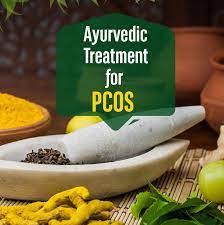
Polycystic Ovary Syndrome (PCOS) is a common endocrine disorder that affects many women worldwide. It is characterized by hormonal imbalances, insulin resistance, and the formation of cysts on the ovaries. PCOS can lead to a range of symptoms, including irregular menstrual cycles, infertility, weight gain, acne, and excessive hair growth. While conventional treatments exist, Ayurveda, the ancient Indian system of medicine, offers a holistic approach to manage PCOS naturally, focusing on restoring balance to the body and mind.
Understanding PCOS in Ayurveda:
In Ayurveda, PCOS (Polycystic Ovary Syndrome) is viewed as an imbalance of the doshas, primarily involving the Kapha and Vata doshas. The condition is referred to as ‘Yonivyapad’ or ‘Artava Kshaya’ in Ayurvedic texts. According to Ayurvedic principles, PCOS occurs due to the accumulation of toxins (ama) and disturbances in the reproductive system.
Ayurveda identifies various factors that contribute to PCOS, including improper diet, sedentary lifestyle, stress, and genetic predisposition. These factors lead to an imbalance in the doshas, particularly Kapha, resulting in the formation of cysts in the ovaries and disruption of hormonal functions.
Ayurvedic diagnosis of PCOS involves a detailed consultation with the patient, where the Ayurvedic practitioner assesses the individual’s medical history, lifestyle, and symptoms. The practitioner may use diagnostic techniques like Nadi Pariksha (pulse examination) and tongue analysis to determine the dosha imbalances and the specific root cause of the condition.
Ayurvedic treatment for PCOS aims to restore balance to the doshas and eliminate accumulated toxins through dietary modifications, herbal remedies, lifestyle adjustments, and specialized therapies like Panchakarma. The holistic approach of Ayurveda addresses the underlying imbalances in the body and aims to provide natural relief from PCOS symptoms while promoting overall well-being.
Diagnosis and Evaluation:
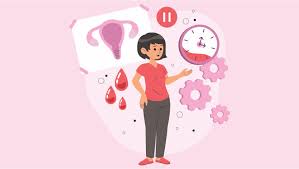
Diagnosis and evaluation are essential steps in the management of PCOS in Ayurveda. The process involves a thorough assessment of the patient’s medical history, presenting symptoms, and physical examination, combined with specific diagnostic methods used in Ayurvedic practice.
Detailed Consultation:
The diagnosis begins with a comprehensive consultation with the best Ayurvedic doctor for PCOS. The patient is encouraged to provide detailed information about their menstrual history, including cycle regularity, flow, and any associated symptoms like pain or heavy bleeding. Information about lifestyle, dietary habits, stress levels, and sleep patterns is also collected to understand the individual’s overall health status.
Nadi Pariksha (Pulse Diagnosis):
Nadi Pariksha, or pulse diagnosis, is a fundamental technique in Ayurveda to evaluate the dosha imbalances and the overall health of the patient. The best Ayurvedic doctor for PCOS carefully assesses the pulse qualities, rate, and rhythm to identify any underlying imbalances in the body.
Jihva Pariksha (Tongue Examination):
The examination of the tongue is another diagnostic method used in Ayurveda. The color, coating, and texture of the tongue provide valuable insights into the patient’s health condition, including the status of digestion and the presence of toxins in the body.
Physical Examination:
A thorough physical examination is conducted to identify any physical signs or symptoms associated with PCOS. This may involve checking for acne, excessive hair growth (hirsutism), and abdominal or pelvic tenderness.
Dosha Assessment:
The Ayurvedic doctor evaluates the balance of the three doshas – Vata, Pitta, and Kapha – in the patient’s body. In PCOS, an imbalance of the Kapha and Vata doshas is often observed, leading to the accumulation of toxins and disturbances in the reproductive system.
Laboratory Tests:
While Ayurveda primarily relies on clinical evaluation and the patient’s history, modern laboratory tests may also be used to support the diagnosis. Blood tests for hormone levels, such as follicle-stimulating hormone (FSH), luteinizing hormone (LH), estrogen, progesterone, and testosterone, are commonly performed to assess hormonal imbalances.
Ultrasonography:
Pelvic ultrasound is a useful tool to visualize the ovaries and detect the presence of ovarian cysts, a common characteristic of PCOS. The ultrasound can also help assess the size and appearance of the ovaries and the thickness of the endometrial lining.
Differential Diagnosis:
During the evaluation, the best Ayurvedic doctor for PCOS may also consider differential diagnoses to rule out other medical conditions with similar symptoms to PCOS, such as thyroid disorders or hyperprolactinemia.
Individualized Treatment Plan:
Based on the comprehensive evaluation and diagnosis, the best Ayurvedic doctor for PCOS formulates an individualized treatment plan for the patient. The treatment plan addresses the specific dosha imbalances, underlying causes of PCOS, and focuses on restoring hormonal balance, improving ovulation, and managing associated symptoms.
It is important to note that Ayurvedic diagnosis and treatment are personalized to each individual’s unique constitution and health condition. Therefore, seeking guidance from a qualified and experienced Ayurvedic practitioner is essential to ensure an accurate diagnosis and effective management of PCOS.
Ayurvedic Treatment Approach:
Ayurvedic treatment approach is a holistic and personalized system of medicine that focuses on achieving balance and harmony in the body, mind, and spirit. It is based on the principles of Ayurveda, an ancient Indian system of healing that dates back thousands of years. The Ayurvedic treatment approach for any health condition, including PCOS, involves identifying the root cause of the ailment and addressing it through natural remedies, lifestyle modifications, and therapies.
Individualized Assessment: The first step in Ayurvedic treatment is a thorough assessment of the individual’s unique constitution (prakriti) and the current state of dosha imbalances (vikriti). This helps the Ayurvedic practitioner understand the person’s specific health needs and the underlying cause of the condition, such as PCOS.
Balancing the Doshas: Ayurveda believes that health is maintained when the three doshas (Vata, Pitta, and Kapha) are in balance. In the case of PCOS, the treatment aims to pacify any aggravated doshas, especially Kapha and Vata. This can be achieved through dietary and lifestyle changes, as well as herbal remedies.
Ayurvedic Diet: Diet plays a vital role in Ayurvedic treatment. For PCOS, the diet focuses on incorporating foods that help regulate insulin levels, support hormonal balance, and reduce inflammation. Fresh fruits, vegetables, whole grains, lean proteins, and healthy fats are emphasized, while processed and sugary foods are minimized.
Herbal Remedies: Ayurvedic practitioners prescribe specific herbs and herbal formulations to address the imbalances in PCOS. These may include herbs like shatavari, ashwagandha, turmeric, and fenugreek, known for their hormone-balancing and anti-inflammatory properties.
Lifestyle Modifications: Adopting a healthy lifestyle is essential in Ayurvedic treatment. Regular exercise, stress reduction techniques like yoga and meditation, and proper sleep are encouraged to support overall well-being and manage PCOS symptoms.
Panchakarma: In more severe cases or when there is a significant dosha imbalance, Ayurvedic treatments such as Panchakarma may be recommended. Panchakarma is a set of detoxification therapies that help remove accumulated toxins from the body, promoting hormonal balance and improving reproductive health.
Ayurvedic Therapies: Along with Panchakarma, other Ayurvedic therapies like Abhyanga (massage with herbal oils), Swedana (herbal steam therapy), and Shirodhara (continuous pouring of warm oil on the forehead) may be employed to support the treatment process and enhance overall well-being.
Follow-up and Monitoring: Ayurvedic treatment is not a one-size-fits-all approach, and it requires continuous monitoring and follow-up with the practitioner. As the individual’s condition improves, the treatment plan may be adjusted to ensure sustained progress.
Ayurvedic Herbs for PCOS
Several Ayurvedic herbs have shown promising effects in managing PCOS. Some commonly prescribed herbs include:
- Shatavari (Asparagus racemosus): Known for its hormone-balancing properties, shatavari helps regulate menstrual cycles and supports reproductive health.
- Ashwagandha (Withania somnifera): Helps reduce stress, balance hormones, and improve overall well-being.
- Guduchi (Tinospora cordifolia): Known for its immunomodulatory effects, it aids in detoxification and reducing inflammation.
- Turmeric (Curcuma longa): With its anti-inflammatory properties, turmeric supports insulin sensitivity and reduces PCOS-related inflammation.
- Fenugreek (Trigonella foenum-graecum): Assists in managing insulin resistance and hormonal imbalances.
- Guggul (Commiphora mukul): Helps maintain cholesterol levels and supports metabolic health.
Lifestyle Modifications:
The best Ayurvedic doctor for PCOS will emphasize the importance of adopting a healthy lifestyle. Regular exercise, such as yoga or brisk walking, is beneficial in reducing stress, promoting weight management, and enhancing overall well-being. Proper sleep hygiene is essential to balance hormones and improve reproductive health.
Stress Management:
Stress can significantly impact PCOS symptoms. Ayurvedic doctors may recommend meditation, breathing exercises (pranayama), and relaxation techniques to reduce stress and promote emotional well-being.
Ayurvedic Therapies for PCOS
Ayurvedic therapies for PCOS focus on restoring balance to the body and mind, addressing the underlying dosha imbalances and promoting overall well-being. These therapies aim to alleviate symptoms, regulate menstrual cycles, and improve hormonal balance naturally. Here are some common Ayurvedic therapies used for PCOS:
Abhyanga:– Abhyanga is a traditional Ayurvedic self-massage using warm herbal oils. It helps improve blood circulation, lymphatic drainage, and detoxification. Regular Abhyanga can promote hormonal balance and reduce stress, which is often associated with PCOS.
Swedana:– Swedana is a herbal steam therapy that induces sweating. It is beneficial for releasing toxins from the body and opening up the channels (srotas) to promote better circulation. Swedana is often used in combination with other Ayurvedic treatments for PCOS.
Virechana (Therapeutic Purgation):– Virechana is a Panchakarma therapy that involves the administration of herbal purgatives to eliminate excess Pitta and toxins from the body. It helps in improving liver function, digestion, and hormonal balance, making it beneficial for women with PCOS.
Basti (Medicated Enema):– Basti is another important Panchakarma therapy used in the treatment of PCOS. It involves administering medicated oils or decoctions through the rectum to balance the Vata dosha, strengthen the reproductive organs, and regulate menstrual cycles.
Yoga and Pranayama:– Yoga asanas (postures) and pranayama (breathing exercises) are integral parts of Ayurvedic therapies for PCOS. Specific yoga poses, such as Bhujangasana (Cobra pose), Dhanurasana (Bow pose), and Paschimottanasana (Seated Forward Bend), can help improve blood flow to the pelvic region, reduce stress, and promote hormonal balance.
Meditation and Mindfulness:– Stress plays a significant role in exacerbating PCOS symptoms. Meditation and mindfulness practices can help manage stress levels, reduce cortisol (stress hormone) production, and promote emotional well-being.
Ayurvedic Diet:– Dietary modifications are crucial in managing PCOS through Ayurveda. The focus is on a balanced diet that includes fresh fruits, vegetables, whole grains, lean proteins, and healthy fats. Ayurvedic principles may recommend avoiding cold, heavy, and oily foods, as well as minimizing sugary and processed items.
Herbal Supplements:– Ayurvedic practitioners may prescribe specific herbal supplements or formulations tailored to the individual’s dosha imbalance and PCOS symptoms. Commonly used herbs include Shatavari, Ashwagandha, Guduchi, Turmeric, and Fenugreek.
It’s important to note that Ayurvedic therapies for PCOS should be personalized based on an individual’s specific condition, dosha imbalances, and overall health. Consulting a qualified Ayurvedic practitioner is essential to receive the most appropriate and effective treatment plan. Ayurvedic therapies, when combined with lifestyle changes and dietary modifications, can play a significant role in managing PCOS naturally and improving overall quality of life.
Conclusion:
PCOS can be a challenging condition to manage, but Ayurveda offers a holistic approach that addresses the root causes of the disorder. By following the guidance of the best Ayurvedic doctor for PCOS, incorporating natural remedies, dietary modifications, and lifestyle changes, women can find relief from PCOS symptoms and work towards achieving better reproductive health and overall well-being. It is essential to seek personalized guidance and treatment from qualified Ayurvedic practitioners to ensure safe and effective management of PCOS.
 Ayurvedic Doctor In Delhi